
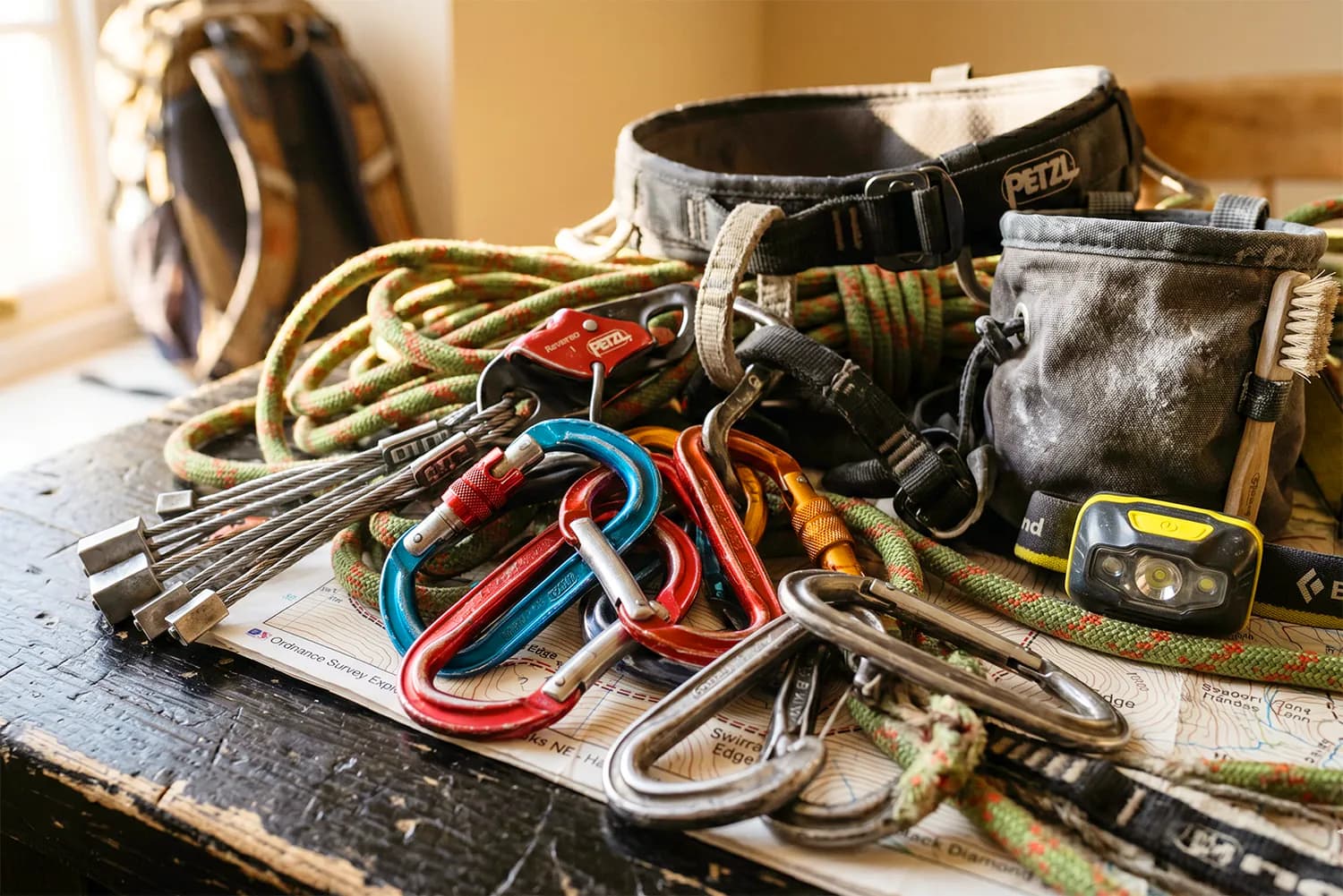
Check your gear before you make the move.
You've got your bearings and you're committed. This is where you build your freelance business plan: pressure-test your finances, sharpen your niche and your offer, and set a concrete, dated path - whether you're leaving a paycheck behind or moving your existing freelance work off the platforms and onto your own terms.
Your freelance expedition in 3 stages:


What "ready" actually looks like

Most people who fail at freelancing made the leap before they were prepared, and ran out of financial runway before the work showed up.
When I started, I had no choice. I was laid off, the money was gone, and I had to make freelancing work fast. I got lucky because the work did materialize, but I learned every lesson the hard way and spent years recovering from avoidable mistakes. If you still have a steady paycheck, you have something I didn't - time to prepare on your own terms.
The plan is to make the best use of that runway. If you're already freelancing on a platform or as some company's permanent contractor, your move is different but every bit as real. Replacing a middleman with direct clients requires the same work as replacing full time employment.
Readiness comes first because it's the cheapest thing to get wrong. Some people are wired to handle the uncertainty of self-employment, and some thrive only with structure around them. Neither is better, but knowing which you are changes how you prepare.
Runway is what buys you the freedom to say no to bad clients, bad rates and work that falls outside of your targeted niche. A $50/hour rate sounds like plenty until you account for tax, healthcare, downtime, and the months before referrals start flowing. Most people dramatically underestimate the number they actually need. The Pricing Compass exists to confront you with the real figure.
Niche is the difference between competing on price and getting paid for expertise. You don't need to niche forever, but you do need a clear, specific answer to what problem you solve and who pays to have it solved. Vague generalists get ground down on gig platforms. Specialists get referred.
The plan ties it together: a dated, realistic sequence from where you are now to your first paying client, including how you exit your current job - or your freelance middleman dependence - without burning bridges or income. Preparation is the thing that lets you move decisively when the moment feels right.
Work through the guides and tools below. By the time you reach the Summit Program, you'll be deciding how to scale, not whether you can survive. That's what being prepared buys you.
Toolkits to help you assess the journey
Limited versions of the full toolkits inside the Summit Program. Use them free, no strings.

Walk through your expenses, runway, and capacity to set minimum and target hourly rates that fit the life you actually live.
Launch Pricing Compass

Browse a curated, community-reviewed directory of freelance tools and assemble the tool stack your role actually runs on.
Launch Product Explorer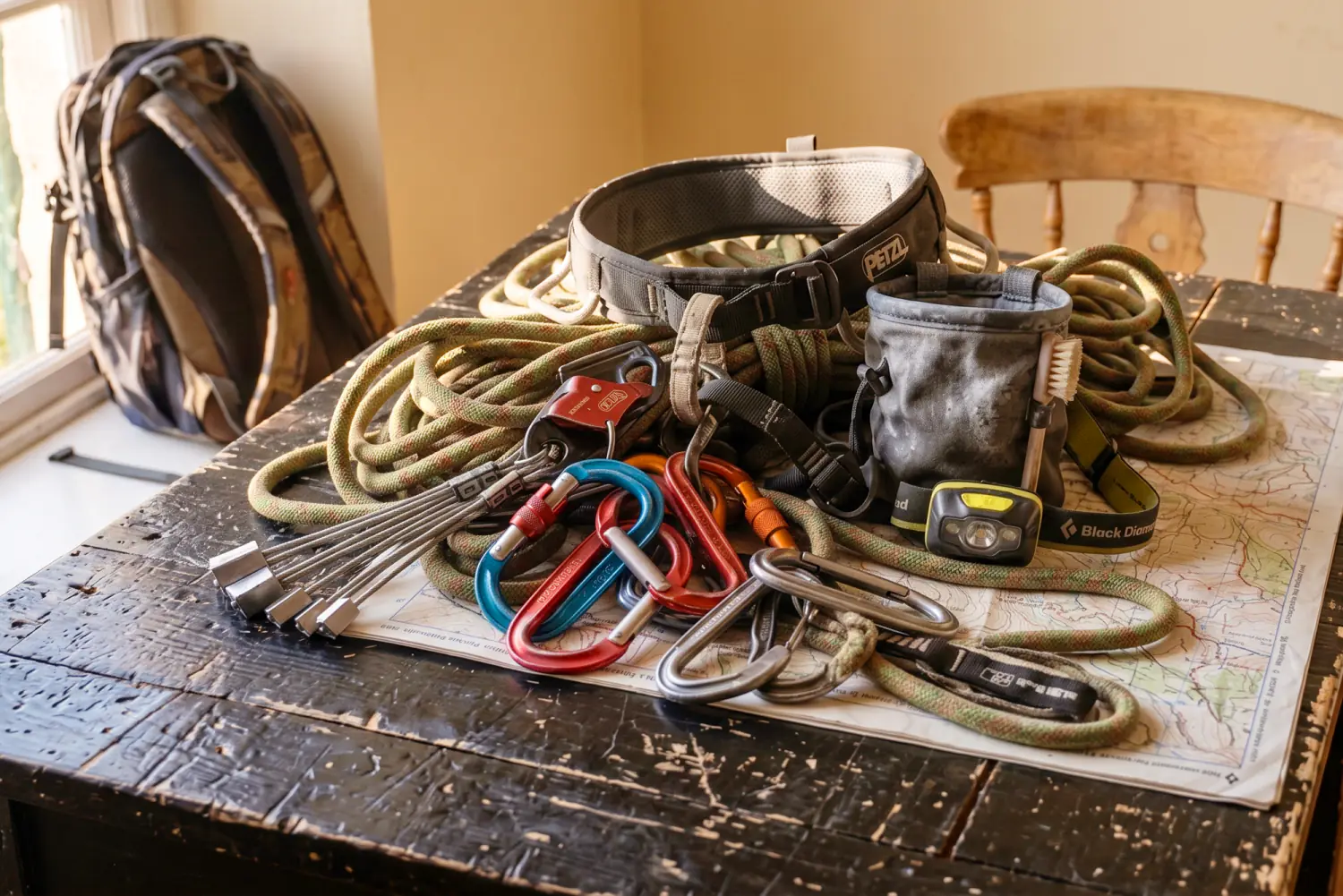

Assemble a self-prepared copyright cease-and-desist notice to protect your interests.
Launch Copyright Notice Generator

Guided discovery that turns a broad market into a focused niche with productized services that sell themselves.
Launch Niche Navigator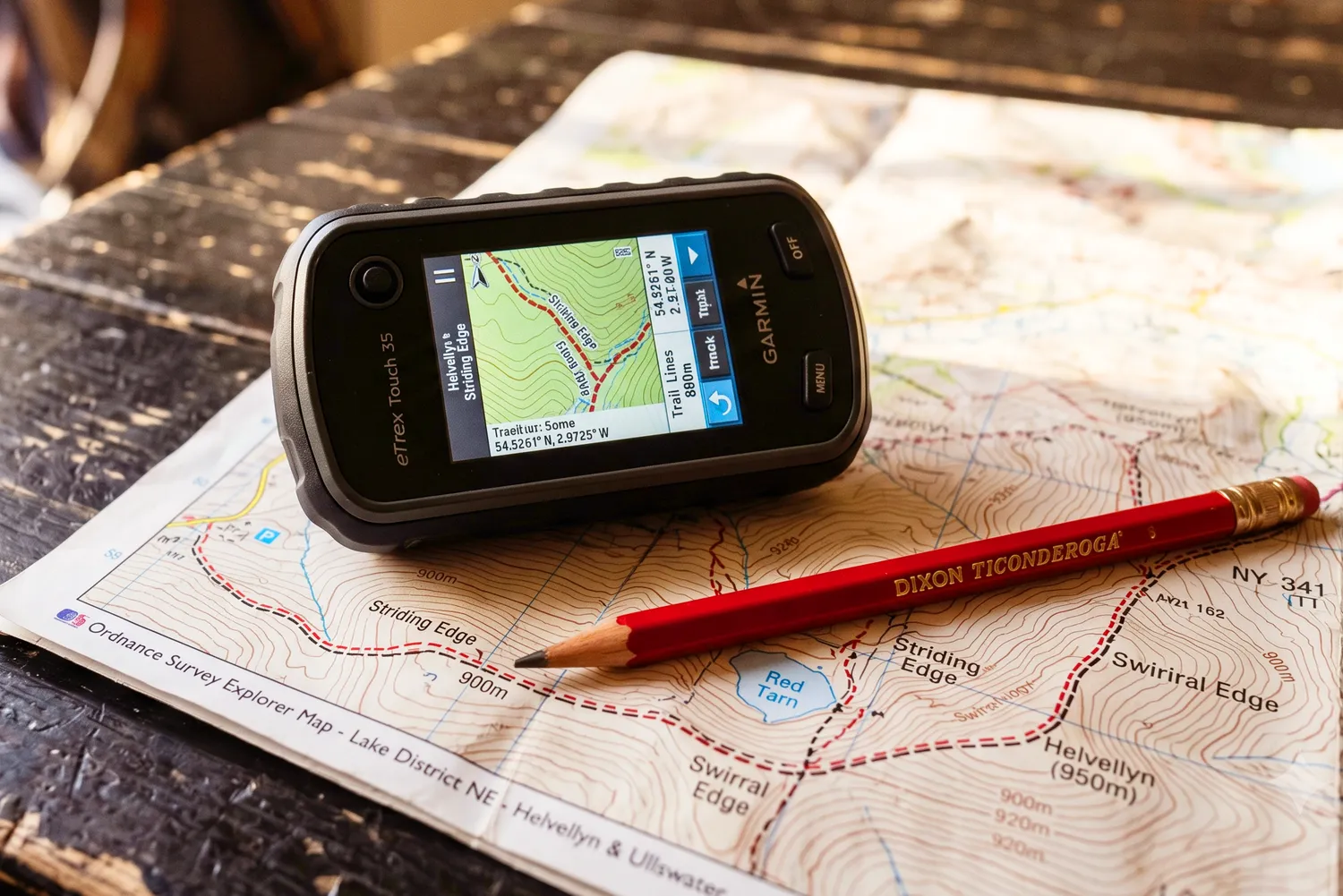

Research a client before you sign on. Read honest reviews from fellow freelancers, then add your own.
Browse the Directory

Turn a finished project into a case study that will impress your prospects, with export to PDF or HTML.
Launch Portfolio Builder

Form your LLC or sole proprietorship the right way for your state, from naming and filing to EIN, banking, and compliance.
Launch Business Formation
Get everything squared away
The practical, unglamorous preparation that decides whether the move sticks — field guides to read and field notes to flip through. New entries are added as the trail grows.
 Start here Field Guide
How to Replace Your Corporate Benefits as a Freelancer
Health insurance, retirement, paid time off, and insurance, rebuilt one for one as an independent professional.
Read the guide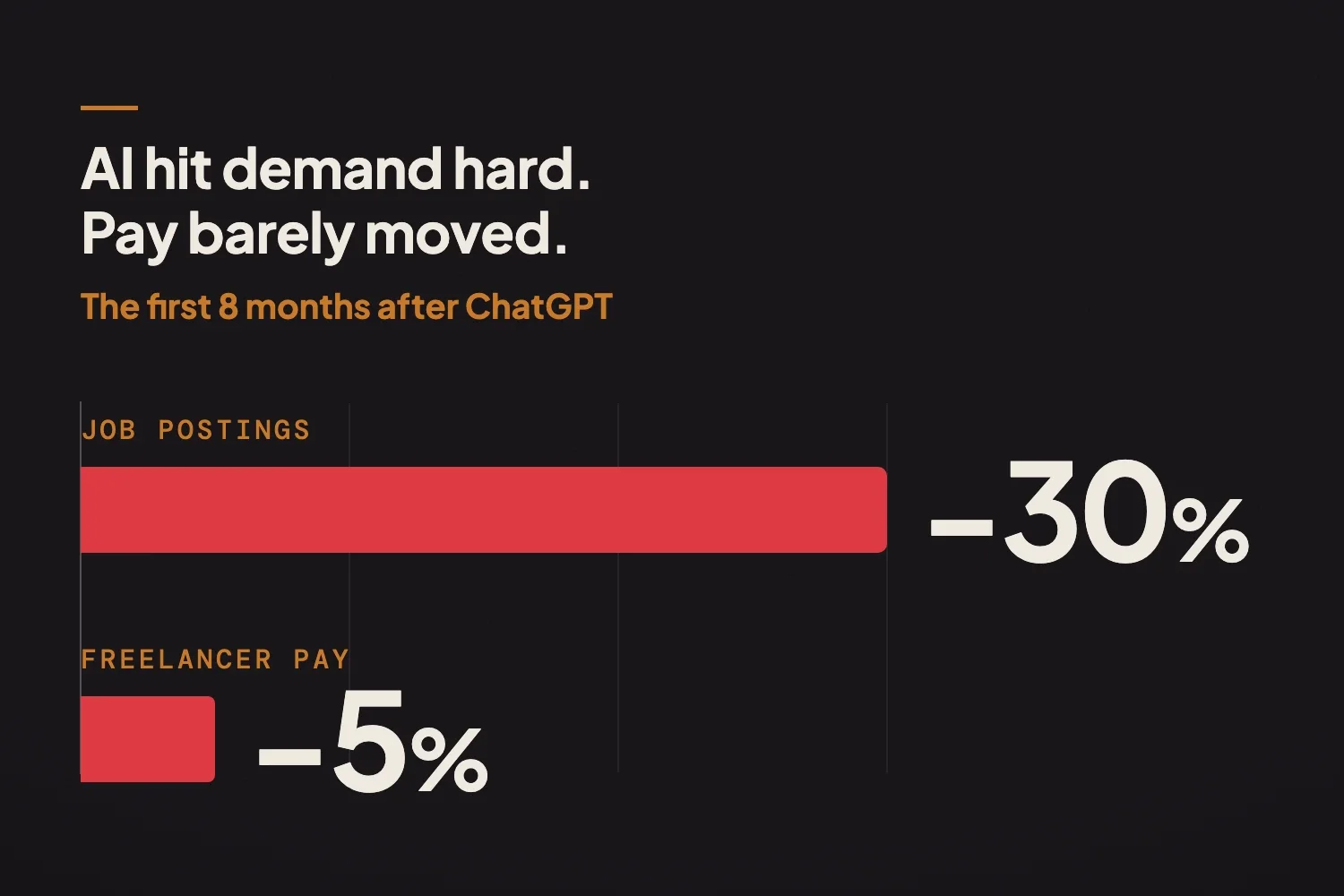 Field Guide
Will AI Replace Freelancers? What the Data Actually Says
Demand for promptable work collapsed. Freelancer pay barely moved. The gap between those two facts is the honest story of AI and freelancing.
11 min read Field Guide
Day Rate vs. Hourly Rate: Which Should You Charge?
A working freelancer's take on day rates versus hourly rates: what each billing unit does to client behavior and your margin, when each one is the right call, how to calculate a day rate honestly, and why both models share the same ceiling.
8 min read Field Guide
How to Find Your Freelance Niche: A Working Freelancer's Method
A step-by-step method for choosing a freelance niche from a 25-year freelancer: how to narrow a market until you can name it, the four filters a niche has to pass, how to turn its expensive problem into a productized offer, and how to test the whole thesis on ten prospects before you commit.
9 min readHow Much to Save Before You Go Freelance
A six-slide field guide to sizing your freelance cash runway: why an empty buffer is the real career-killer, the 3-to-6-month rule, how to size it to your true monthly costs, and the cheat code that lowers the number.
6 slidesHow to Get Your First 5 Freelance Clients Without a Portfolio
A field guide to the five sources that reliably land your first freelance clients before you have a portfolio, and how to approach each one without a job board in sight.
6 slides Field Guide
Why You Shouldn't Quit Your Job to Pursue Freelancing
The case for building your freelance business on the side first, and how to know when it's finally time to leap.
2 min read


Continue the expedition
Geared up and ready? Here's where the trail leads next.

Start Freelancing
Need to get your bearings again? Go back to the fundamentals and the honest case for freelancing.
Back to the fundamentals
The Summit Program
The full guided ascent: mentors who've already made the climb, the complete toolkits, and a structured path from first client to thriving business.
Explore the program
My free Saturday morning newsletter delivers freelance wisdom and advice straight from my own personal experience and research.
It’s short and sweet but nutritionally dense - the perfect complement to your weekend morning coffee.
No fluff, no spam. Unsubscribe anytime.