
Get your bearings before you take the first step.
Orient yourself on the fundamentals of freelancing: what it actually takes, what it really pays, and whether it's the right path for you. Already freelancing on the gig platforms? This is where you find out what that's actually costing you. No hype, no hustle-culture noise. Just an honest map of the terrain ahead.

Your freelance expedition in 3 stages:

Why freelancing, and why now

It's a strange time to be a professional. The old promises don't hold the weight they once did, and a "stable" corporate job feels less secure than ever.
For years I followed the traditional path. I was living in San Francisco during the late-90s dot-com boom, working for large, respected companies at the forefront of the new economy. I felt in control, and I felt secure. Then I was one of many people laid off in the 2000 bust. Because the job market was so unstable, I decided to pursue freelancing. While the road was long and difficult (I learned MANY lessons the hard way!) I have never felt the urge to go back to full-time employment since that first gig.
My freelance career was born amid the rubble of a busted economy and, in the 25 years since, I've weathered events like the 2008 "Great Recession." Yes, the work slowed. But unlike my employed colleagues who were laid off en masse and spent months+ trying to find a new job, the work still came and the lights stayed on. This experience has completely changed my view of what "stability" means, and where it actually comes from.
Something has fundamentally changed in the work world. When I first entered the workforce, loyalty to your employer was encouraged, and rewarded in kind. Layoffs were seen as a black eye for company leadership. But in the modern economy layoffs are commonplace, often rewarded with surging stock prices and C-suite bonuses. Loyal employees tend to be treated like dinner guests who have overstayed their welcome.
In my view, the future isn't about finding a safe harbor in a big company. It's about building your own boat. It's about taking control of your career and your income, and authoring your own definition of success, whether that means maximizing what you earn or creating space to raise your kids or travel.
The unmistakable rise of the professional freelancer
This isn't a side-hustle story. Skilled professionals are leading the shift: in recent years nearly half of all freelancers provided knowledge work like marketing, IT, consulting, and programming. The move is proving financially smart, with US-based freelancers earning median incomes at or above their employed counterparts. And freelancers consistently report feeling more stimulated, happier, and more secure, even in the face of economic uncertainty.
It's happening because professionals like you and I have realized that true security won't come from a single employer. Those days have passed. It comes from a diverse pool of clients, the ability to set your own rates based on your abilities and needs, and the ability to pivot on your own strategic decisions, not the whims of a corporate restructuring.
Owning your work versus renting it out
There's a second version of this story, and it may be yours already. Plenty of skilled professionals made the leap years ago and landed on Upwork, Fiverr, or an agency's contractor bench - freelancing in name, yes, but renting their skill to a middleman who sets the terms, takes a cut, and owns the client relationship. It can work beautifully for some, but I've also watched this model squeeze good people until they had nothing left to give. The gig platforms are the largest competition pools ever devised, and the math gets worse every year. If that's where you're standing, the answer is the same one I give the person still in a corporate job: you can build a practice you own - your clients, your rates, your name on the work. True ownership.
I put the gig platform economics in one place: Are Upwork and Fiverr Worth It? What the Economics Actually Say.
How to start: a roadmap for the strategic professional
I built Freelance Mentors to provide the roadmap I wish I'd had when I started. Not rah-rah motivational quotes or get-rich-quick schemes, but a strategic guide for serious people who want to make the move with their eyes wide open. I know the questions running through your mind, because I asked them myself. The guides and tools below are built to answer them.
Think of this site as an expedition: it takes planning, gear, and a map. Start here to get your bearings, then move on to your freelance plan to prepare. You're in the right place. Let's get started.
Toolkits to scout the terrain
Limited versions of the full toolkits inside the Summit Program. Use them free, no strings.

Walk through your expenses, runway, and capacity to set minimum and target hourly rates that fit the life you actually live.
Launch Pricing Compass

Guided discovery that turns a broad market into a focused niche with productized services that sell themselves.
Launch Niche Navigator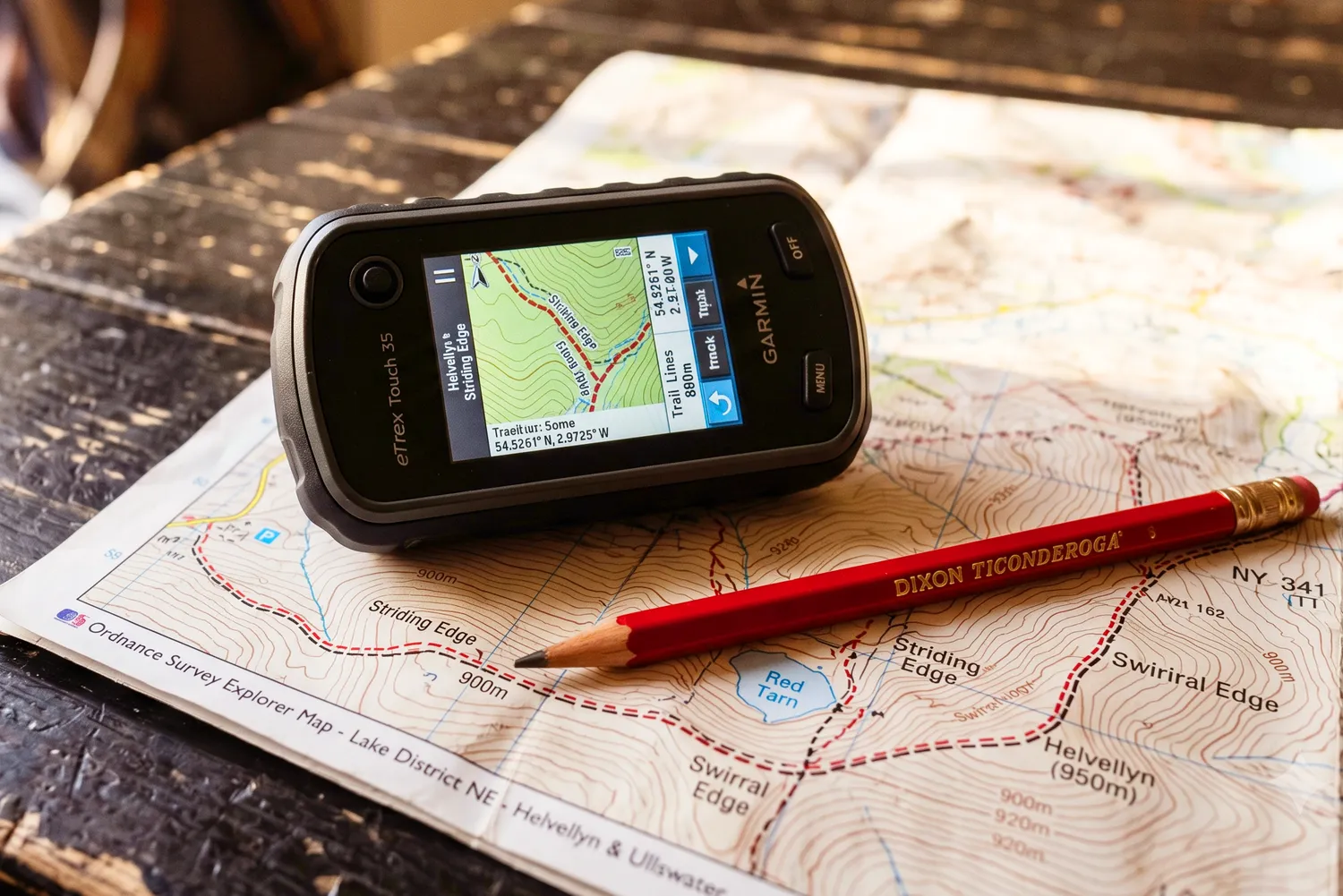

Browse a curated, community-reviewed directory of freelance tools and assemble the tool stack your role actually runs on.
Launch Product Explorer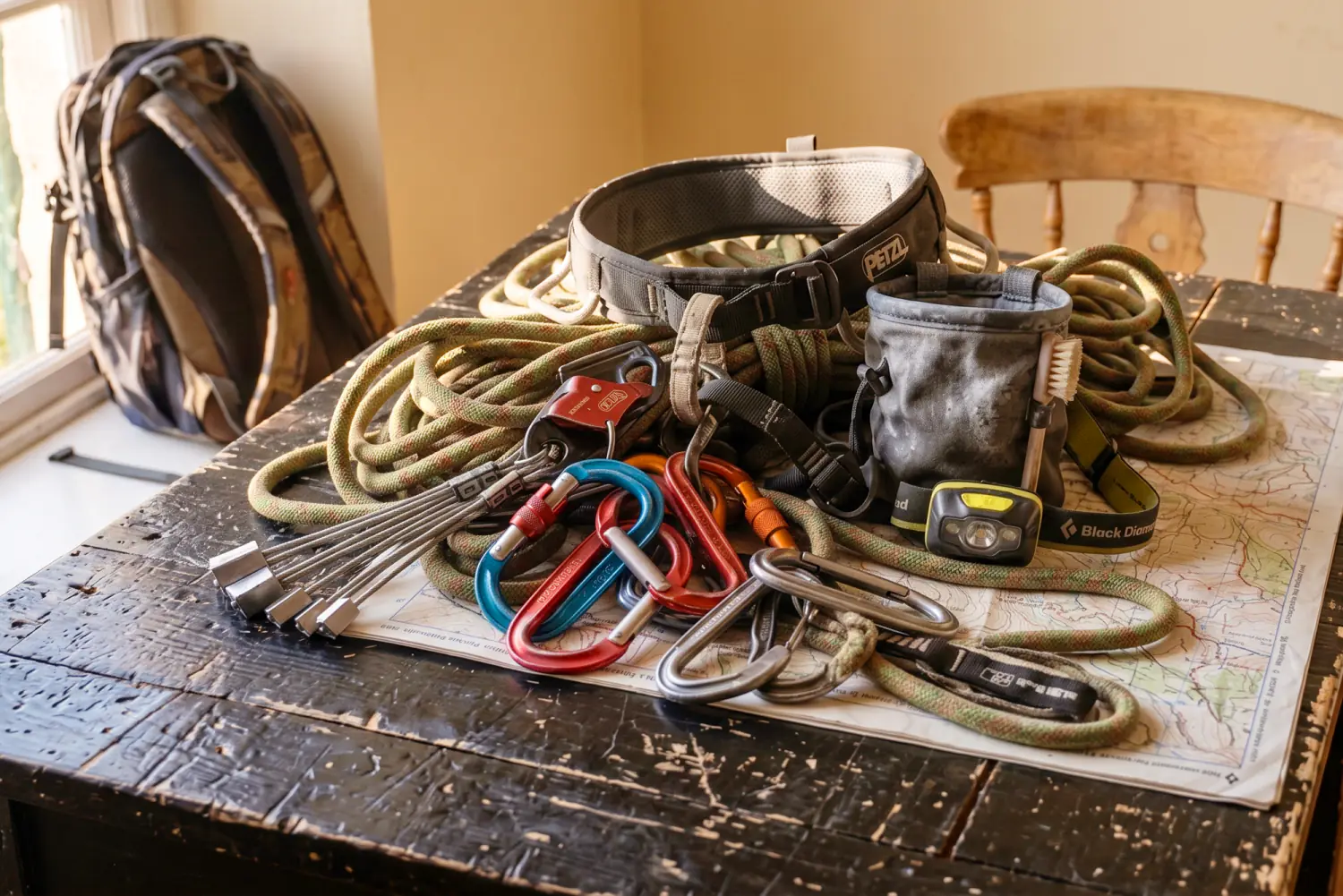

Assemble a self-prepared copyright cease-and-desist notice to protect your interests.
Launch Copyright Notice Generator

Research a client before you sign on. Read honest reviews from fellow freelancers, then add your own.
Browse the Directory
The trail begins here: my essential guides.
No-nonsense fundamentals. Field guides for when you want to go deep, field notes for lighter on-the-go reading.
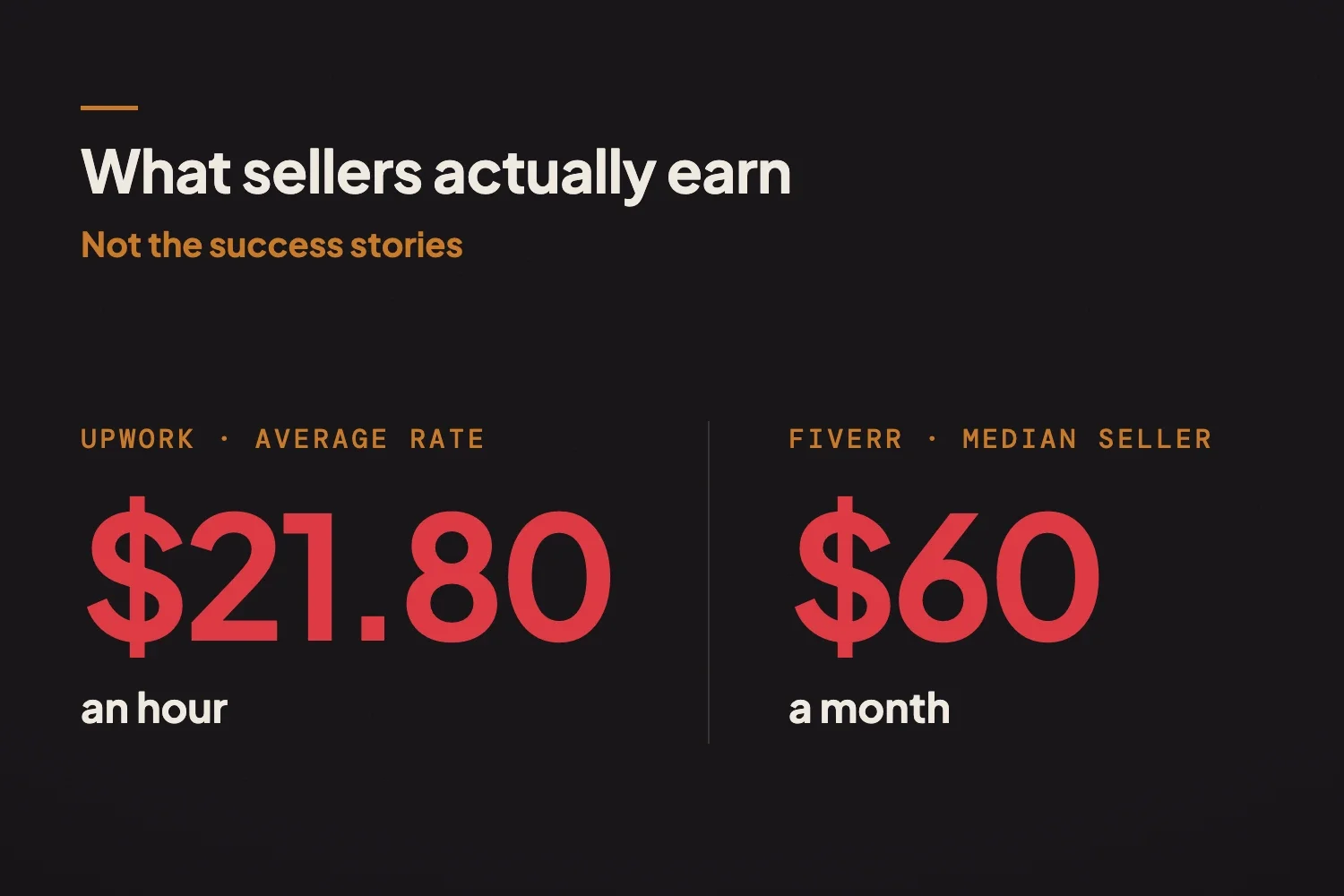 Start here Field Guide
Are Upwork and Fiverr Worth It? What the Economics Actually Say
I've freelanced for 25 years without a gig platform. Here's what the actual earnings data says about building a career on one - and what the successful freelancers do instead.
Read the guide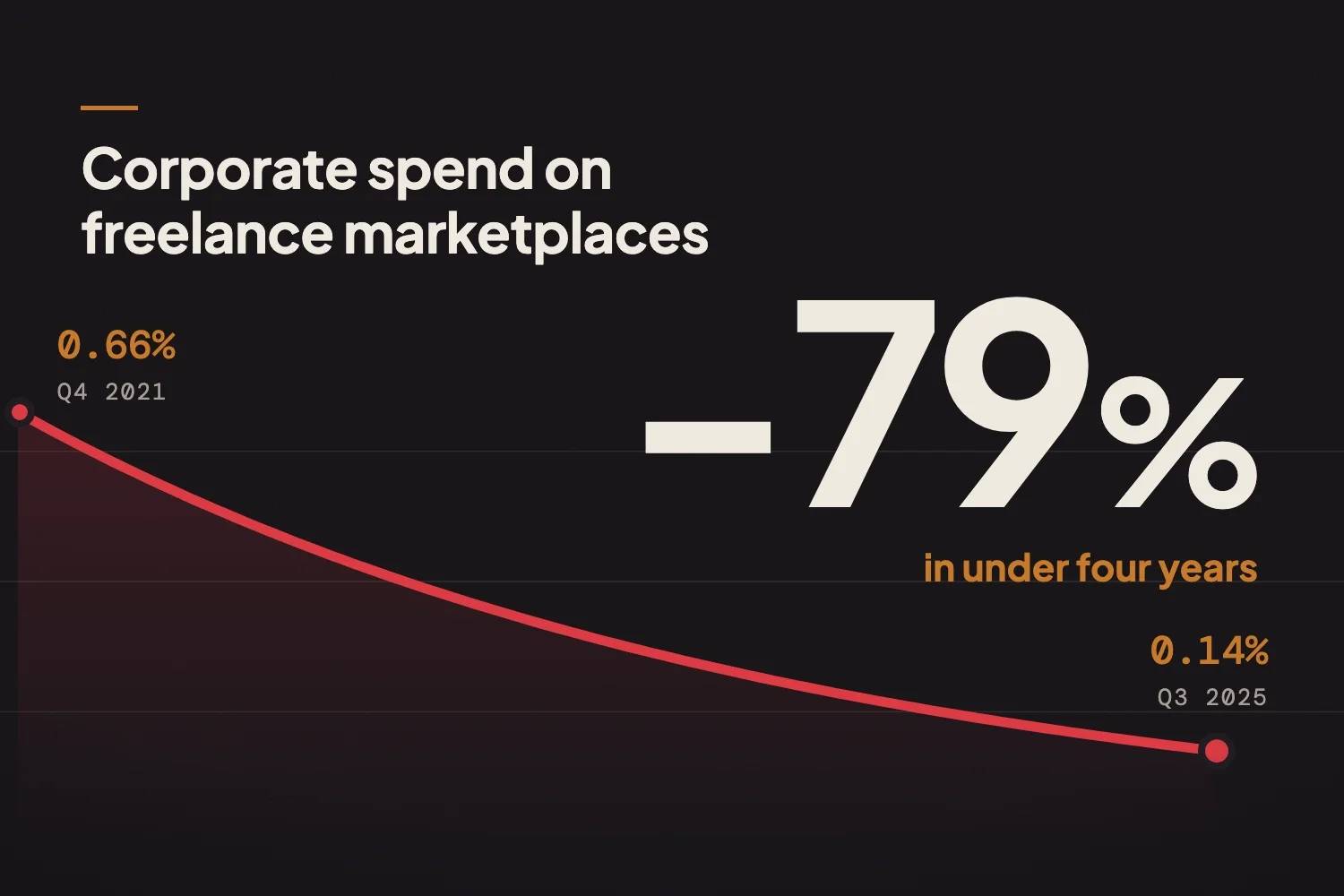 Field Guide
Is Upwork Dying? The Numbers Behind the Marketplace Contraction
Upwork's own filings show active clients falling while spend per client rises. Here's what the contraction actually looks like, where the work went, and what it means for a freelancer standing in the marketplace.
5 min read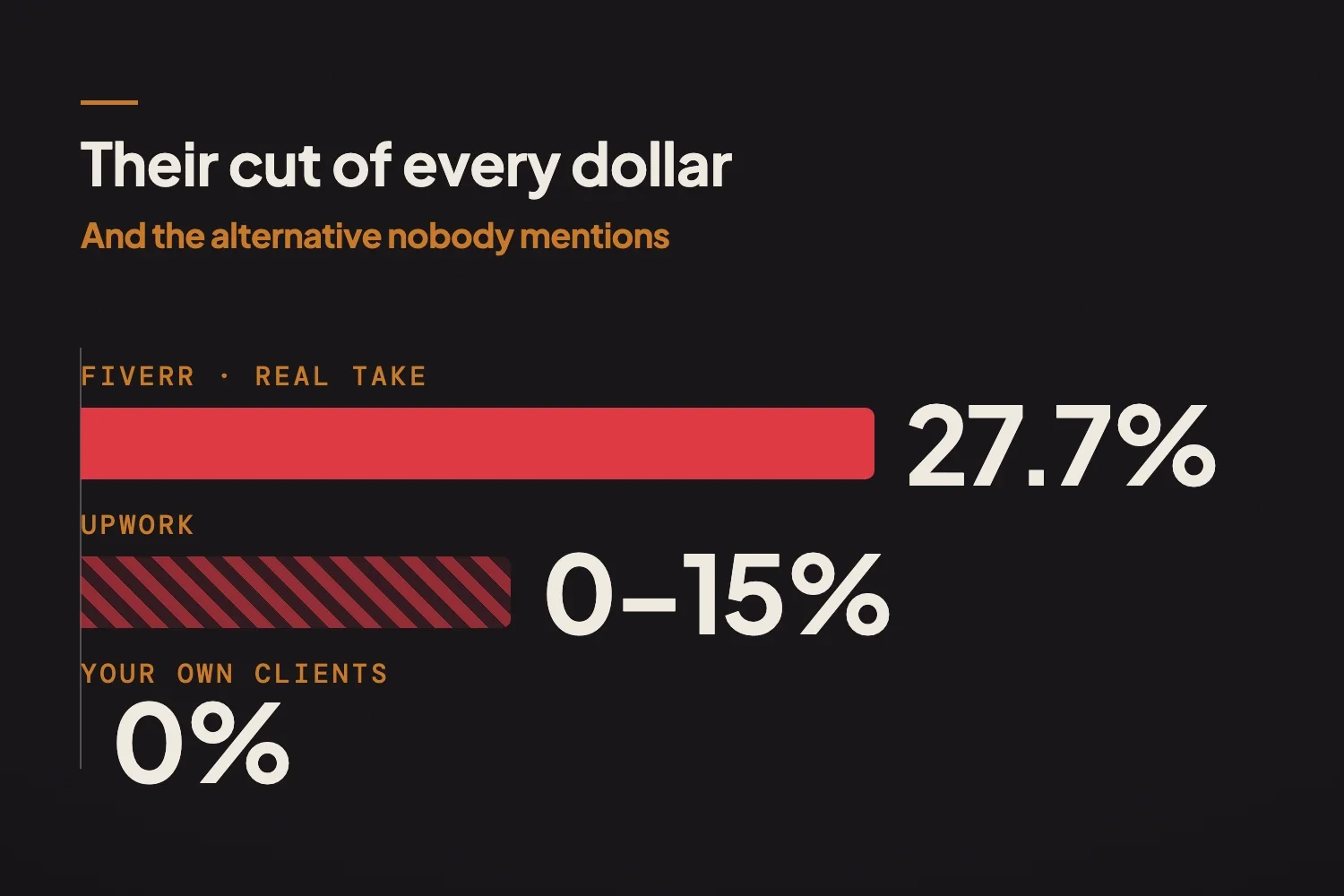 Field Guide
Fiverr Alternatives That Don't Take 20% of Your Income
An honest guide to Fiverr alternatives from a 25-year freelancer: what Upwork, Contra, and the clones actually change, what Fiverr's own filings say it captures, and the open-market model that keeps you at 100%.
6 min read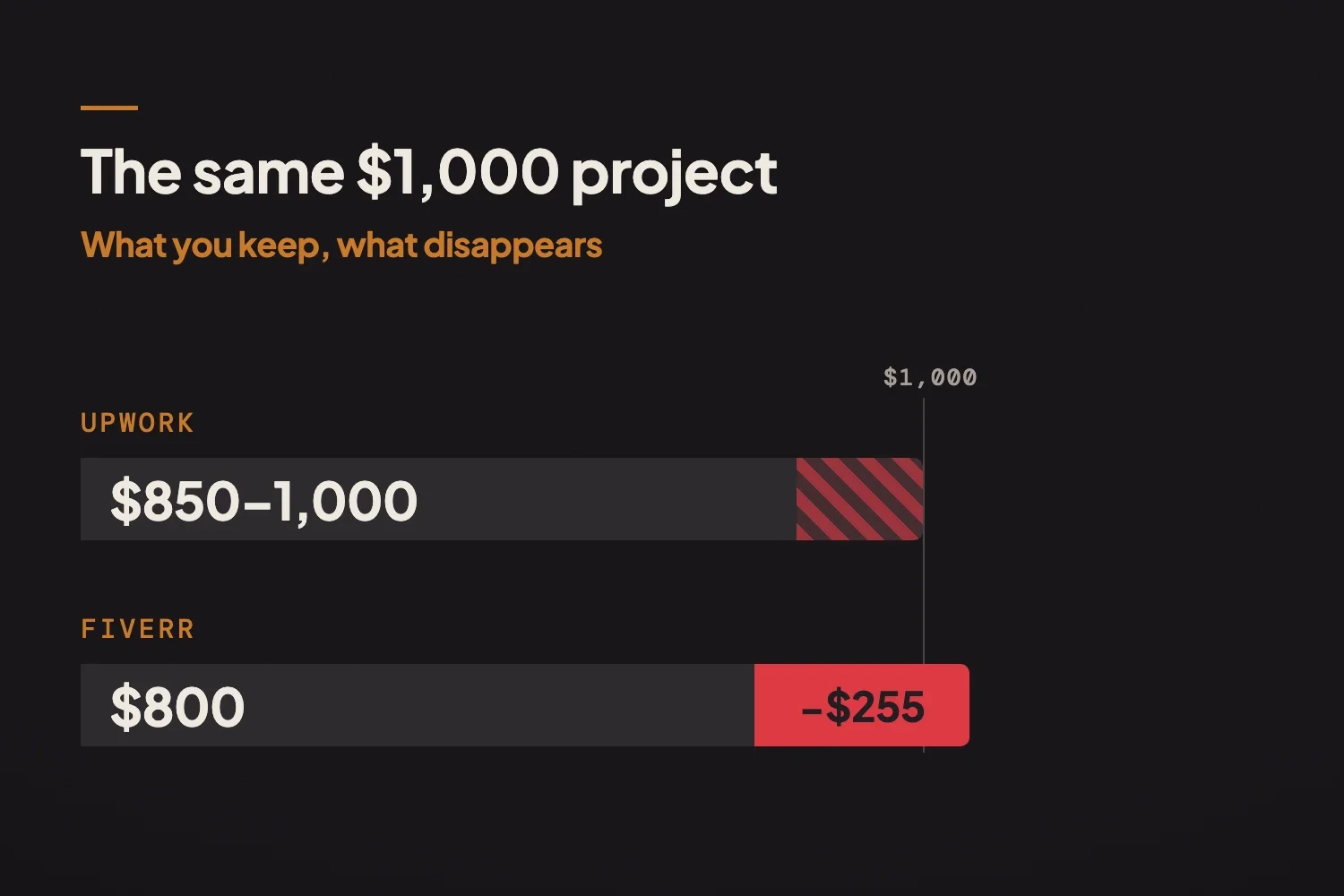 Field Guide
Upwork vs. Fiverr: The Comparison Neither Platform Will Publish
A neutral Upwork vs. Fiverr comparison from a 25-year freelancer: the real fee structures, what sellers actually earn, both platforms' shrinking client numbers, and when the right answer is neither.
6 min readIs Freelancing a Good Fit for Me?
A field guide to the five honest checks that decide if you're ready to freelance, and what to shore up before you quit your job. They weigh more than your portfolio.
8 slidesThe Misunderstood Reality of Imposter Syndrome
A field guide that reframes imposter syndrome for freelancers: the fear of being found out isn't proof you don't belong, it's a growth signal. Here's how to read it, and the three-move protocol that turns it into fuel.
7 slides Field Guide
4 Reasons Your Freelance Business Should Not Be Built Around a Brand-New Skill
Four reasons real, hands-on experience is the moat that wins better clients, and why faking it backfires.
2 min read


Continue the expedition
You've got your bearings. Here's where the trail leads next.

The Freelance Plan
Check your gear and prepare to make the move: readiness, runway, niche, and your first concrete plan.
Build your plan
The Summit Program
The full guided ascent: mentors who've already made the climb, the complete toolkits, and a structured path from first client to thriving business.
Explore the program
My free Saturday morning newsletter delivers freelance wisdom and advice straight from my own personal experience and research.
It’s short and sweet but nutritionally dense - the perfect complement to your weekend morning coffee.
No fluff, no spam. Unsubscribe anytime.